the main porpuse of this glossary its to get more knowledge about different terms that are most used in heat transfer realted topics.
boundary conditions
noun
a condition that is required to be satisfied at all or part of the boundary of a region in which a set of differential equations is to be solved.
Example: Boundary conditions (b.c.) are constraints necessary for the solution of a boundary value problem.
en: condiciones de frontera.
coefficient of thermal conductivity.
noun
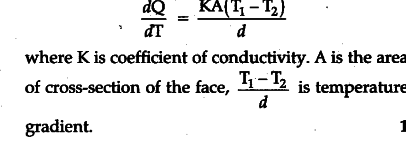
the quantity of heat conducted per second through a unit area of a slab of unit thickness when the temperature difference between its ends is 1K.
Example: The coefficient of thermal conductivity of a material is defined as the quantity of heat that conducts per unit time through a unit cube of the material when its opposite faces are kept at a temperature difference of one degree.
en: coeficiente de conductividad térmica.
Emissivity
noun
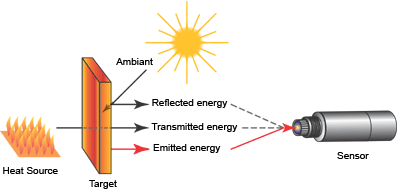
the relative power of a surface to emit heat by radiation : the ratio of the radiant energy emitted by a surface to that emitted by a blackbody at the same temperature
Example: the emissivity from the iron its too high when exposed to high temperatures.
en: emisividad.
energy balance
noun
An energy balance is a consideration of the energy input, output, and consumption or generation in a process or stage. In establishing an energy balance, all sources of thermal energy are put on the input side, and all items of heat utilization on the output side.
Example: the energy balance in the systems might always be the sum of the input energy to the system plus and the total amount that its leaving the system.
en: balance de energía
gradient
noun
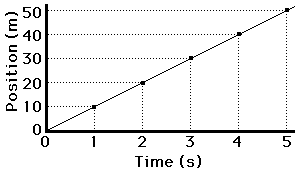
an increase or decrease in the magnitude of a property (e.g. temperature, pressure, or concentration) observed in passing from one point or moment to another.
Example: Gradient definition is the rate of regular or graded ascent or descent
en: Gradiente
heat conduction equation
noun
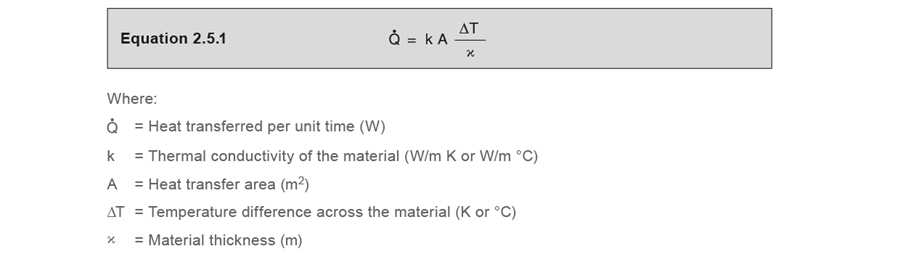
it reffers to the ecuations for knowing the heat transfere in the systems standing for the three different ways of heat transfer
Example: every heat transfer mechanism has their own heat transfer eacution such as the energy in their system spreads different way.
en: ecuación de trasferencia de calor
heat flux
noun
Heat flux or thermal flux, sometimes also referred to as heat flux density[1], heat-flow density or heat flow rate intensity is a flow of energy per unit of area per unit of time.
Example: deriving values of the sensible heat flux, latent HEAT FLUX and Bowen Ratio, it has been found that
en: flujo de calor
Insulation
noun
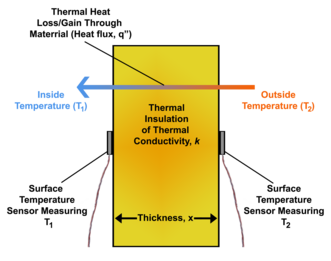
Insulation is a thick layer of a substance that keeps something warm, especially a building.
Example: High electricity bills point to a poor heating system or bad insulation.
en: aislamiento
internal energy
noun
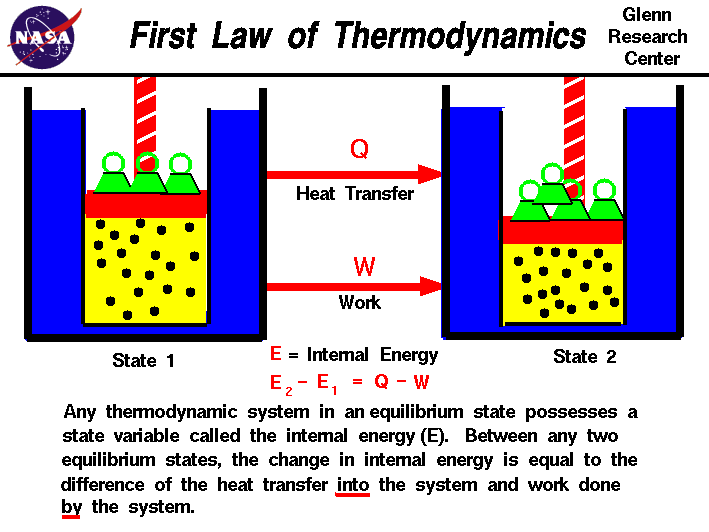
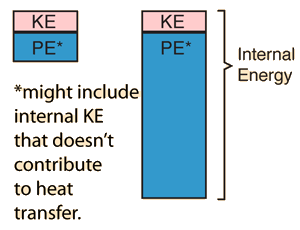
The internal energy of a thermodynamic system is the energy contained within it. It is the energy necessary to create or prepare the system in any given internal state.
Example: The internal energy is measured as a difference from a reference zero defined by a standard state.
en: energía interna
steady
adjective
firm in position
Example: Gradualism views evolution as proceeding by the STEADY accumulation of small changes
en: firme
thermal conductivity
noun
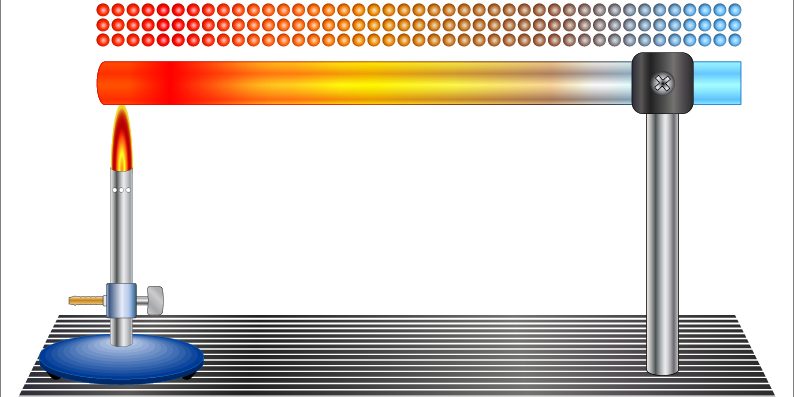
the rate at which heat passes through a specified material, expressed as the amount of heat that flows per unit time through a unit area with a temperature gradient of one degree per unit distance.
Example: they constructed models from two materials with different thermal conductivities
en: conductividad térmica
thermal diffusivity
noun
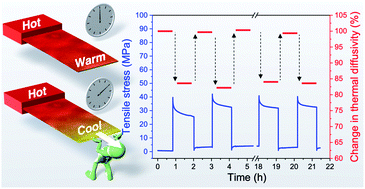
thermal diffusivity is the thermal conductivity divided by density and specific heat capacity at constant pressure.[1] It measures the rate of transfer of heat of a material from the hot end to the cold end. It has the SI derived unit of m2/s.
Example: Thermal diffusivity is the thermal conductivity divided by density and specific heat capacity at constant pressure.
en: Difusividad térmica
Thermal symmetry
noun
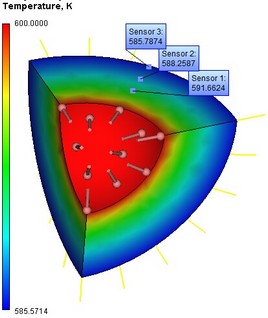
A heat transfer problem that is symmetric about a plane, line, or point is said to have thermal symmetry about that plane, line, or point. The thermal symmetry boundary condition is a mathematical expression of this thermal symmetry.
Example: the thermal symmetry reffers to the way that the material can spread the heat through its own thermal conductivity.